
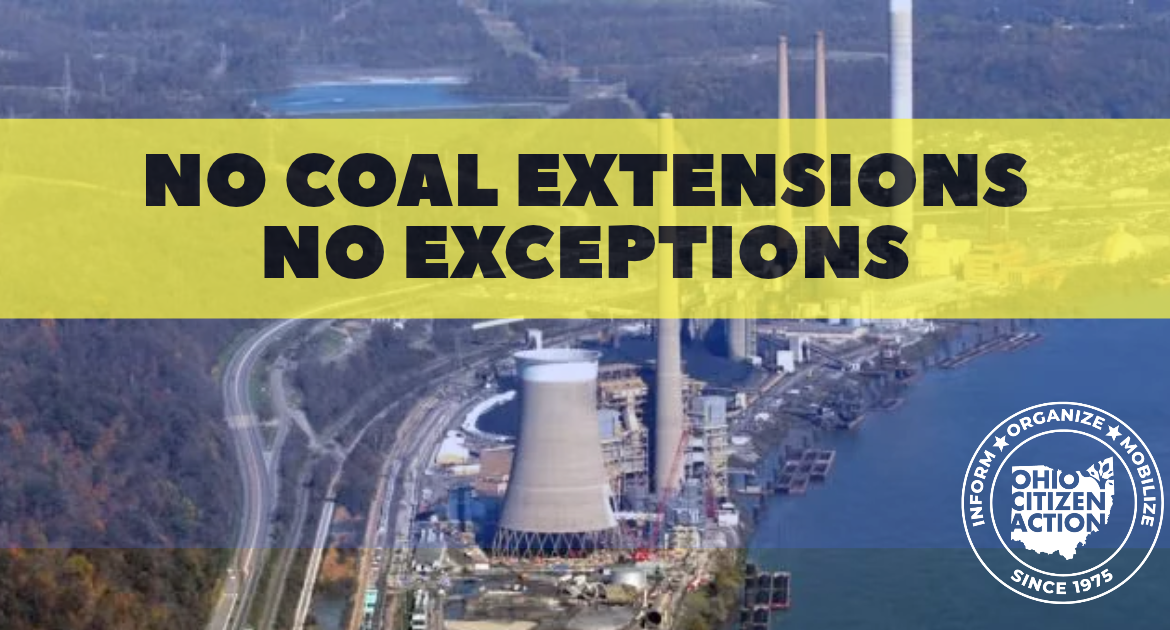
The Ohio State Legislature is considering a bill to extend the life of the Cardinal Coal Plant’s Unit 3, which was scheduled to close at the end of 2028. This is about more than just one coal plant. Just weeks ago on November 3, we voted to rein in chaos, costs and corruption. This bill puts all three at center stage.
The Ohio Constitution bars retroactive laws and laws that impair contracts. The first plant affected would likely be Buckeye Power’s Cardinal Plant in Brilliant, where a unit is required to retire by 2028 as part of federal wastewater pollution protection requirements and a 2015 agreement the PUCO approved in 2016. Buckeye Power has had more than a decade to plan for this unit’s retirement. Instead, it is asking lawmakers to rewrite the rules in the final weeks of lame duck.
This bill expressly reaches back to agreements that have already been written and established. That raises serious constitutional questions, and Ohioans could end up paying for years of litigation.
If the legislature can tear up a binding agreement for one coal plant, no deal in Ohio is safe. Businesses, utilities, and consumers all count on contracts assuring certainty and stability, not becoming a tool for political purposes.
Ohio voters chose affordability
On Nov. 3, Ohio voters made it clear they want lower energy bills and an end to chaos, costs, and corruption at the Statehouse. The lame-duck answer proposed by some lawmakers is to keep aging coal plants running, tear up a binding agreement and block the cheapest new power.
Coal is not the most reliable or the cheapest energy
Coal plants in Ohio continue to need public money to stay afloat. Aging plants need costly repairs and upgrades.
Federal wastewater rules are driving this retirement, not just the settlement. The bill doesn’t change those rules, so keeping the unit running means paying for the upgrades Buckeye chose to avoid. Those costs fall on customers who will pay for them through higher rates for years.
Keeping retirement-ready coal plants running does not make the grid more reliable. Real reliability comes from adding diverse new resources like solar and batteries, along with progress on transmission, interconnection, and good governance.
Lawmakers should spend lame duck bringing faster, cheaper power online, not propping up old, dirty coal plants… again.